

Canada is one of the most interesting places in the world to be a cigar smoker. Cuban cigars are legal and sold openly, which surprises many American visitors. At the same time, Canada has some of the strictest tobacco packaging and flavour rules anywhere. This guide explains the rules in plain language for adult readers.
We are an independent, educational site. We do not sell or ship tobacco, and we are not affiliated with any company named here.
What Is a Cigarillo?
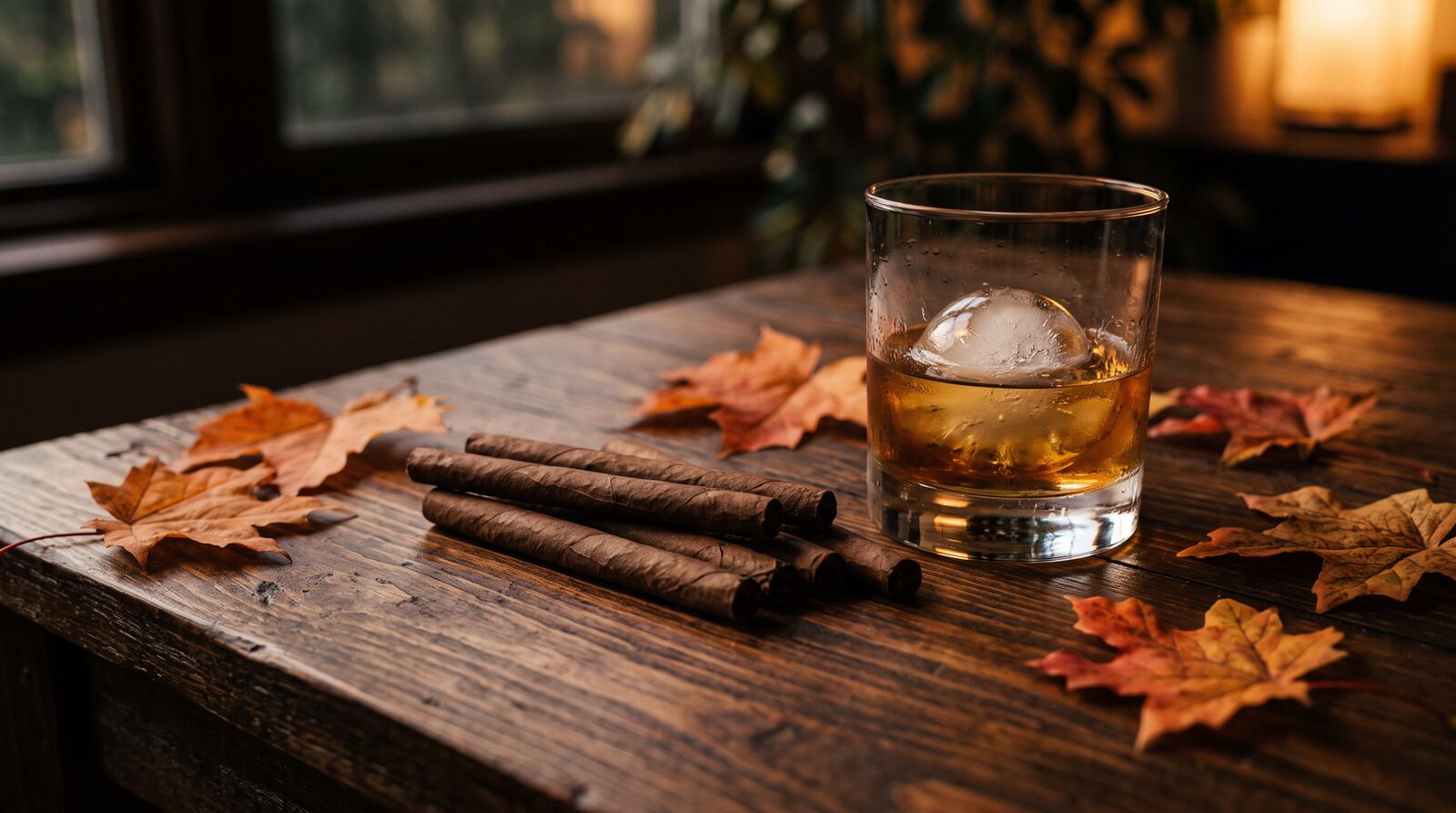
A cigarillo is a small cigar, usually thin (often under about 30 ring gauge) and short enough to smoke in 10 to 20 minutes. Most are machine-made, and many use a homogenized tobacco binder or wrapper, though premium cigarillos such as Cuban minis and puritos use natural leaf. There is no single legal definition of "cigarillo" in Canadian law; regulations instead use weight. Cigars weighing 1.4 g or less are treated as "little cigars," and since 2015 cigars between 1.4 g and 6 g fall under the same flavour ban, which covers nearly every product sold as a cigarillo. Learn how wrappers are made at natural leaf vs homogenized wraps.
Cigarillo vs. Cigar
| Cigarillo | Premium cigar | |
|---|---|---|
| Size | Small, thin | Larger, 38–60+ ring gauge |
| Smoking time | 10–20 minutes | 45 minutes to 2+ hours |
| Construction | Usually machine-made | Usually hand-rolled long filler |
| Flavours in Canada | Mostly banned | Allowed above 6 g |
The Rules at a Glance
- Flavours: banned in little cigars and cigarillos since 2009, and extended to cigars up to 6 g in 2015. See the flavour ban.
- Plain packaging: cigar packages and bands must be a standard drab brown with limited plain text.
- Cuban cigars: legal to buy and smoke in Canada. See Cuban cigars in Canada.
- Customs: returning residents away 48 hours or more may bring 50 cigars within their exemption. See bringing cigars into Canada.
- Age: 18 federally, but 19 or 21 in many provinces. See age by province.
Why Cigars Cost More in Canada
Cigars in Canada carry federal excise duty, an additional federal duty on cigars, provincial tobacco taxes and sales tax. Provincial taxes differ widely, so the same box can cost noticeably more in one province than in the next. That is why cigar prices in Canada are often well above U.S. or European prices for the same product.
Plain Packaging
Under the Tobacco Products Regulations (Plain and Standardized Appearance), which began applying to cigars after cigarettes in 2019–2020, cigar packages must be drab brown (Pantone 448 C) and cigar bands drab brown with the brand name shown once in small grey text. Logos, colours and decorative bands are not allowed. Imported boxes are often relabelled or over-banded for the Canadian market.
Smoking Where You Live
Every province bans smoking in enclosed workplaces and public places, and many extend that to patios, parks and beaches. A few cigar lounges operate under specific exemptions, and the rules vary city by city. Always check local bylaws.
Part of a Larger Map
Canada Cigarillos is one of the guides in the Cigars North America network. For how cigars are made, see Cigar Manufacture.
Read About the Flavour Ban →Frequently Asked Questions
What is a cigarillo?
A small, thin cigar, usually machine-made, that takes about 10 to 20 minutes to smoke.
Are flavoured cigarillos legal in Canada?
Mostly no. Federal law bans most flavours in little cigars and in cigars up to 6 grams, which covers nearly all cigarillos.
Are Cuban cigars legal in Canada?
Yes. Canada has no embargo on Cuba, and Cuban cigars are sold legally.
How many cigars can I bring into Canada?
Returning residents away 48 hours or more can include 50 cigars in their personal exemption, subject to special duty rules.
What is the smoking age in Canada?
The federal minimum is 18, but many provinces set 19, and Prince Edward Island sets 21.